Pickleball
Treatment Leaders
in San Antonio
South Texas Spinal Clinic is a trusted destination for pickleball players across San Antonio seeking expert care for orthopedic and sports-related injuries. From recreational players to competitive athletes, our team is dedicated to helping you stay active, recover safely, and continue enjoying the sport you love.
Pickleball’s quick movements, sudden direction changes, and repetitive swings can place stress on joints, muscles, and tendons. Because no two players are alike, injuries require personalized evaluation and treatment. Effective recovery means working with experienced doctors who understand both the physical demands of pickleball and your individual goals.
In sports medicine, successful treatment starts with understanding the athlete. Return-to-play timelines, performance expectations, and long-term joint health all influence the care approach. For pickleball players, choosing a sports medicine team with focused experience can be the difference between lingering pain and a confident return to the court.
The doctors at South Texas Spinal Clinic specialize in diagnosing and treating pickleball-related injuries. With advanced training and extensive clinical experience, our specialists develop customized treatment and rehabilitation plans to restore movement and function. Whether your care involves therapy, injections, or surgical intervention, our team works alongside you to find the right path back to play.

Our pickleball injury specialists at South Texas Spinal Clinic are proud to be Pickleball Doctors. Offering expert tips for injury prevention, performance, and more, Pickleball Doctors is a group of elite doctors dedicated to helping you stay strong on the court.
Prepare for Pickleball Play & Avoid Injury
Staying competitive in pickleball isn’t just about time on the court; it’s also about preparation away from it. Strength training, flexibility work, and proper conditioning can help protect joints, improve balance, and reduce the risk of common overuse and acute injuries.
Incorporating a consistent warm-up routine and targeted exercises before and after play can enhance endurance, speed, and overall performance. Proper conditioning supports safer movement patterns and helps players maintain consistency throughout long matches. See our Pickleball 10 to Win routine below for exercises focused on strength and flexibility to keep you court-ready and help prevent injuries.
Pickleball 10 to Win
These 10 focused exercises are designed to improve strength, mobility, balance, and endurance, helping pickleball players perform at a higher level while lowering the risk of injury.
Exercise 1
BEAR HUGS
Step 1. Stand straight or lie on your back and open up your arms, pulling your shoulders back to broaden your chest.
Step 2. Bring your arms back in, wrapping them around your chest, and pat the back of your shoulders.
Step 3. Repeat quickly 20 times.
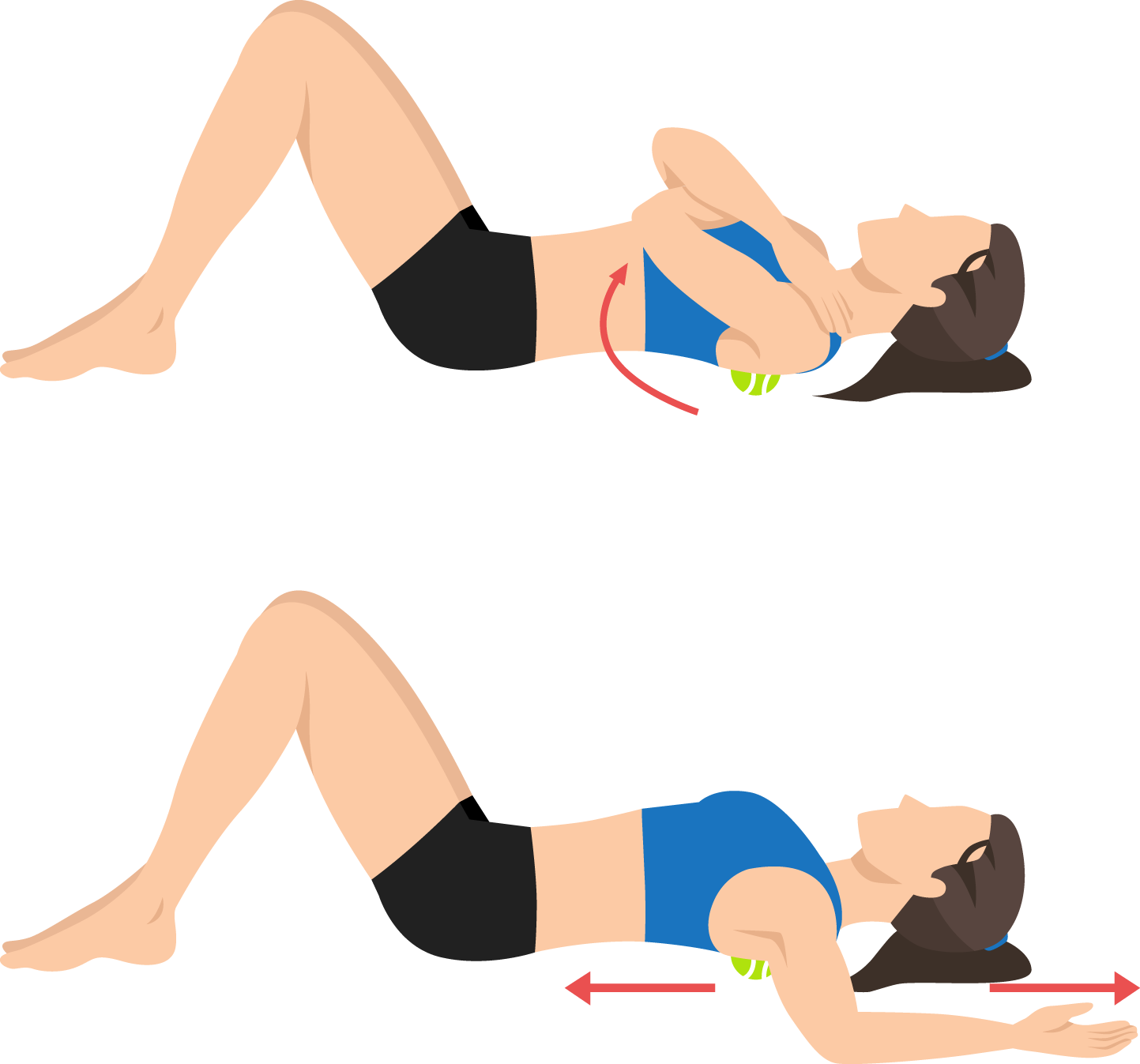
For the Win: Do some resistance bear hugs. Hold a resistance band around your back. Then, reach your arms out in front of you like you are hugging someone. Hold for 3 seconds. Repeat 10 times.
Exercise 2
POGO HOPS
Step 1. Stand with your feet shoulder-width apart.
Step 2. Bend your knees slightly, but keep your posture straight.
Step 3. Keep your feet together and jump up and down in place.
Step 4. Repeat for 30 seconds.
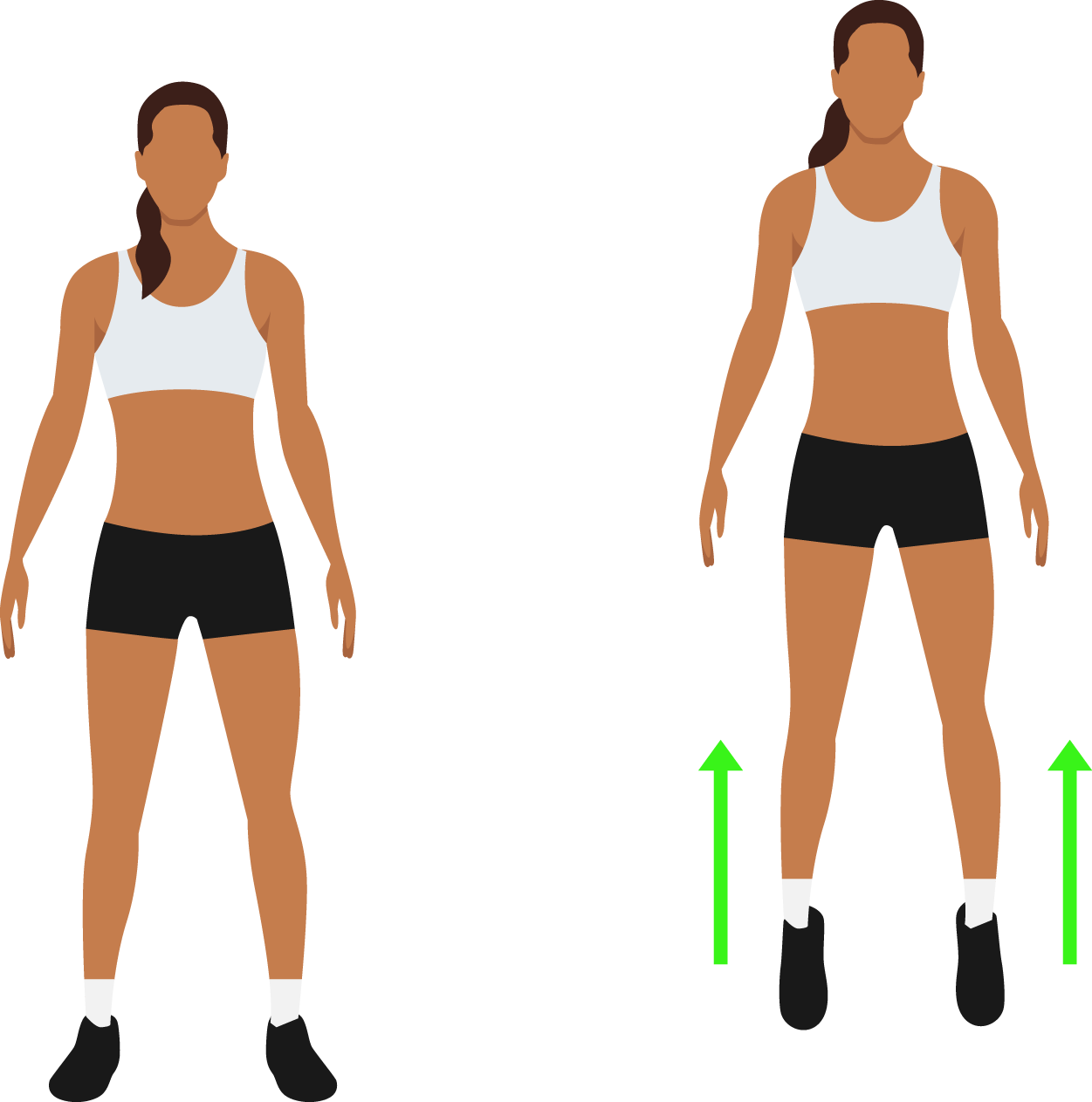
For the Win: Do some single-leg hops. Balance on one leg and hop in place for 30 seconds. Repeat while balancing on your other leg. For better agility training, use a line to hop over from left to right.
Exercise 3
SIDE-LYING LEG LIFTS
Step 1. Lie on your side with your legs straight and one leg on top of the other.
Step 2. Bend your knees slightly and move your top leg toward the sky or ceiling.
Step 3. Lift your leg slowly and lower it slowly.
Step 4. Repeat 10 times on each side.
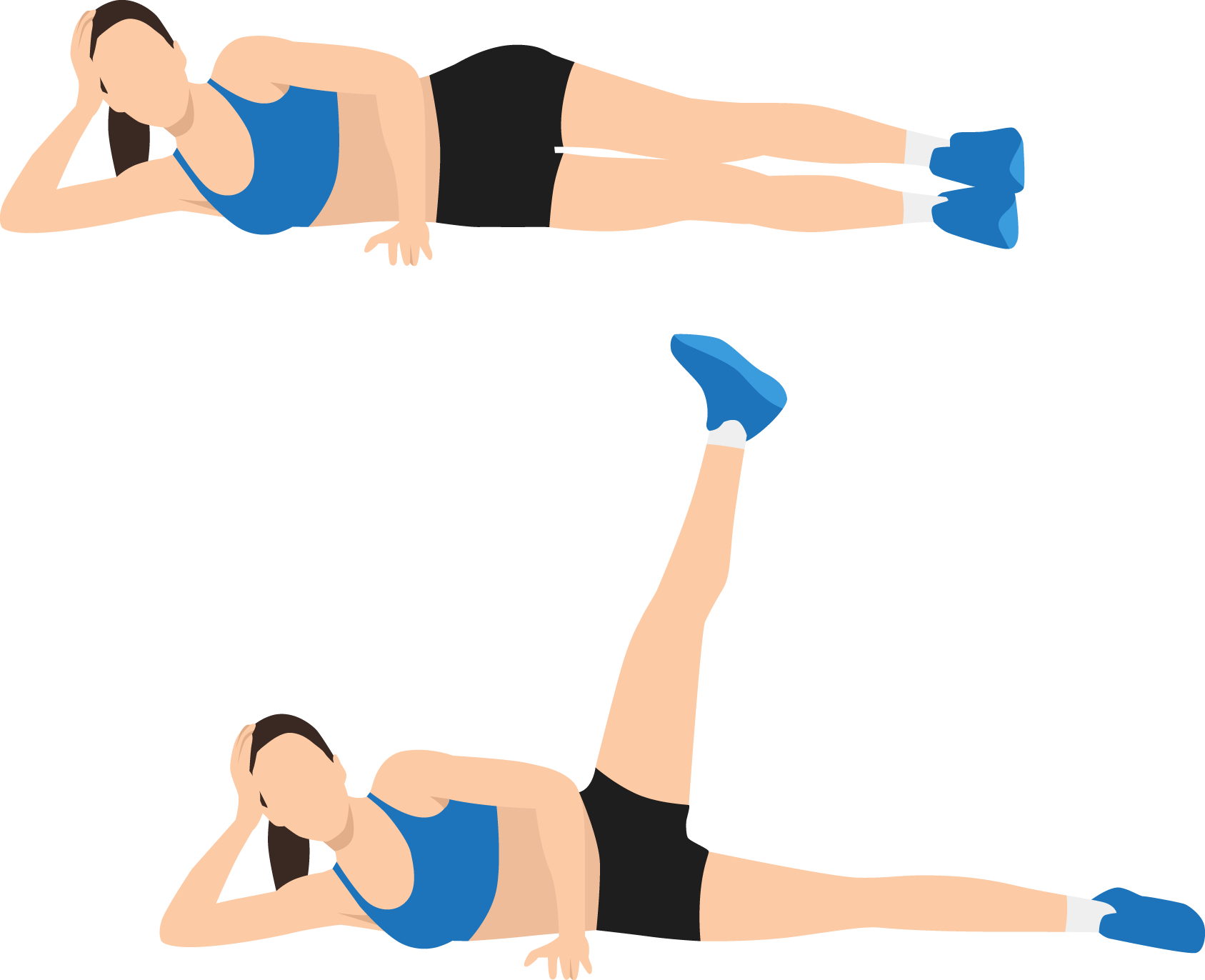
For the Win: Try resistance leg lifts! While lying on your side, place a resistance band around your legs and above your knees while you complete your leg lifts. For more of a challenge, place the band around your ankles.
Exercise 4
SINGLE-LEG BALANCE
Step 1. Stand with your feet hip-width apart.
Step 2. Lift one foot off the ground. If you need, hold your arms out to help you balance.
Step 3. Hold this position for up to a minute or as long as you can.
Step 4. Repeat on the other side.
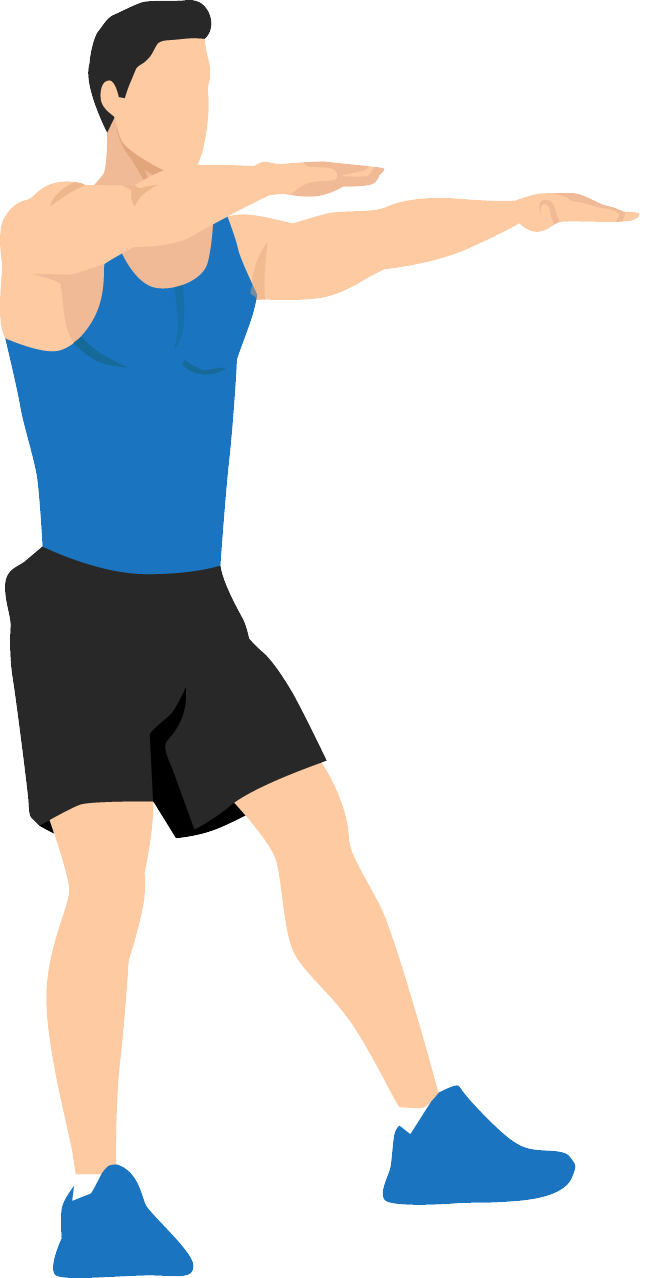
For the Win: Do single-leg extensions. Stand on one foot. Lift your other leg, extending it behind you, in front of you, and off to the side. Center your leg before each extension. Repeat 15 times on each side.
Exercise 5
STANDING QUAD STRETCH
Step 1. Stand on one foot and pull the other behind you, holding the ankle.
Step 2. If you need, hold onto something for balance.
Step 3. Pull your heel toward your buttocks, and hold for 30 seconds.
Step 4. Repeat on each side.
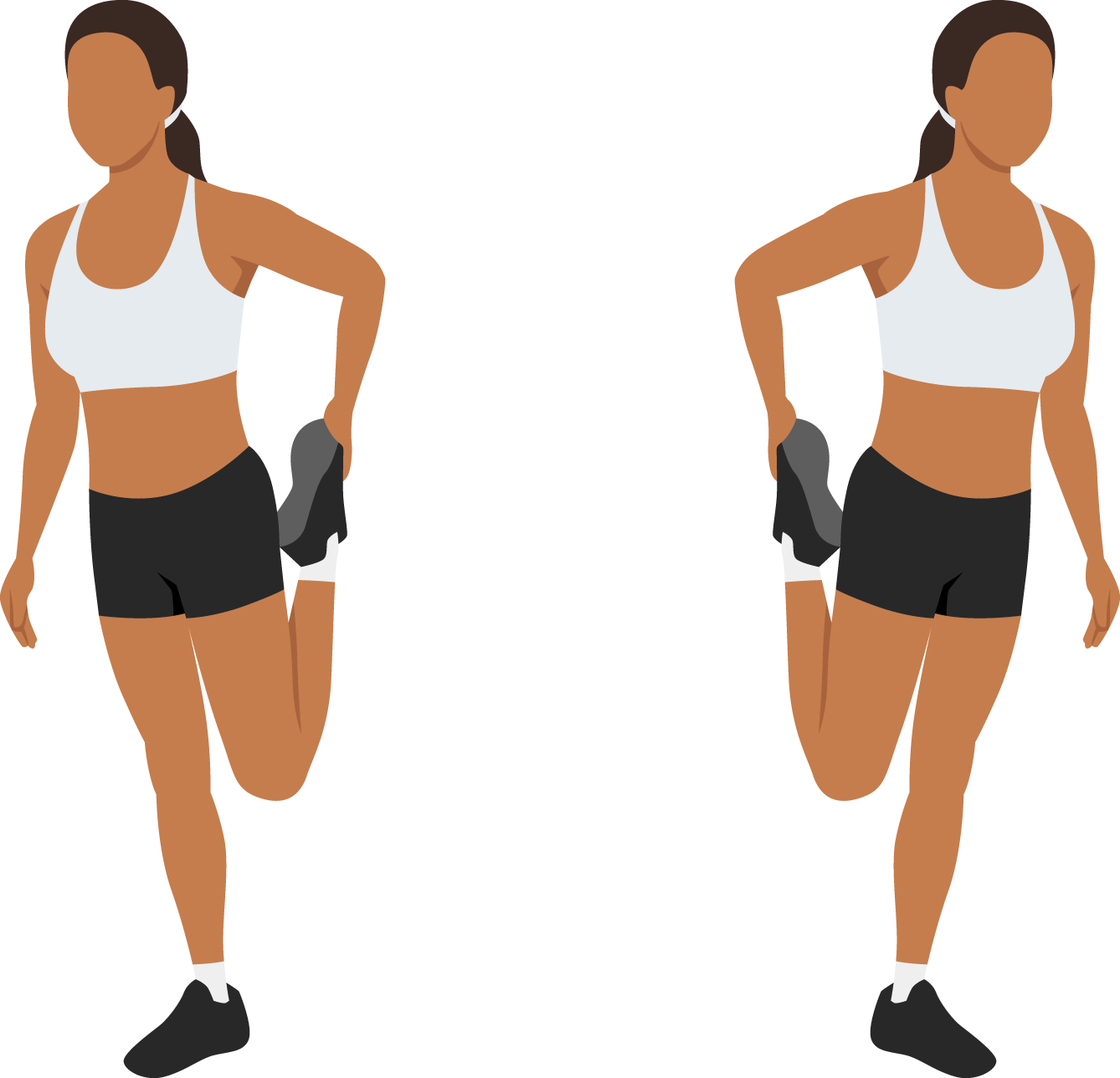
For the Win: Do kneeling quad stretches. Kneel on one knee with the opposite foot planted flat in front of you. Push your hips forward and hold for 30 seconds. Repeat for 3 sets on each side.
Exercise 6
ROWS
Step 1. Put a resistance band around a stable surface, like a tree or fence, holding the band in each hand.
Step 2. Stand facing the band with your feet hip-width apart.
Step 3. Pull the band toward you, squeezing your shoulder blades.
Step 4. Return to your starting position.
Step 5. Repeat 15 times.
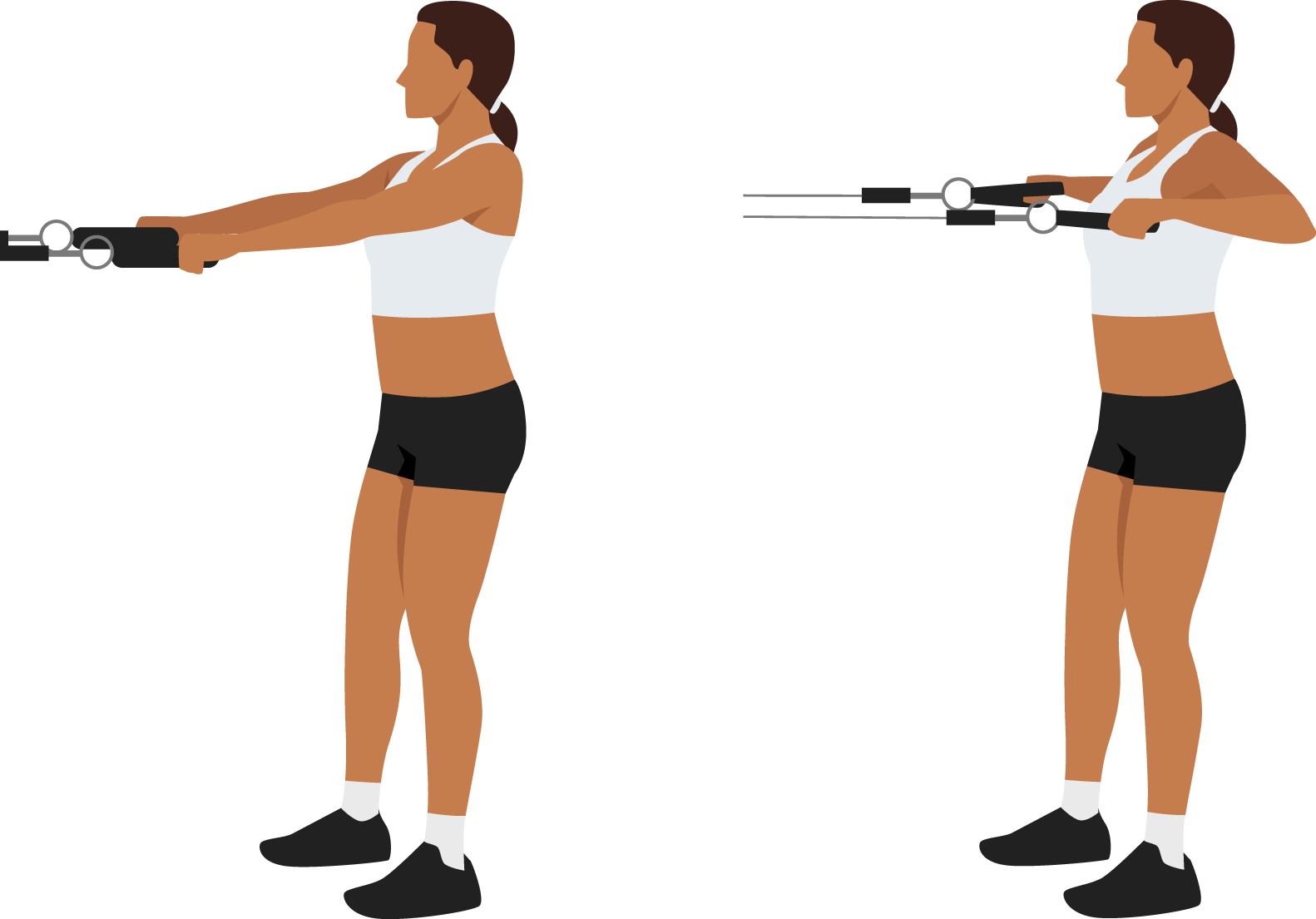
For the Win: Do some bodyweight rows. Instead of resistance bands, use your body weight. Find a stable horizontal surface, such as a table or bar, and lie underneath it, grasping the surface firmly with both hands. Pull yourself up then lower yourself back down. Repeat 15 times.
Exercise 7
PLANKS
Step 1. Put your hands and knees on the ground, then extend your legs behind you.
Step 2. Support your weight on your forearms and toes.
Step 3. Keep your body straight from your head to your heels.
Step 4. Hold this position as long as you can.
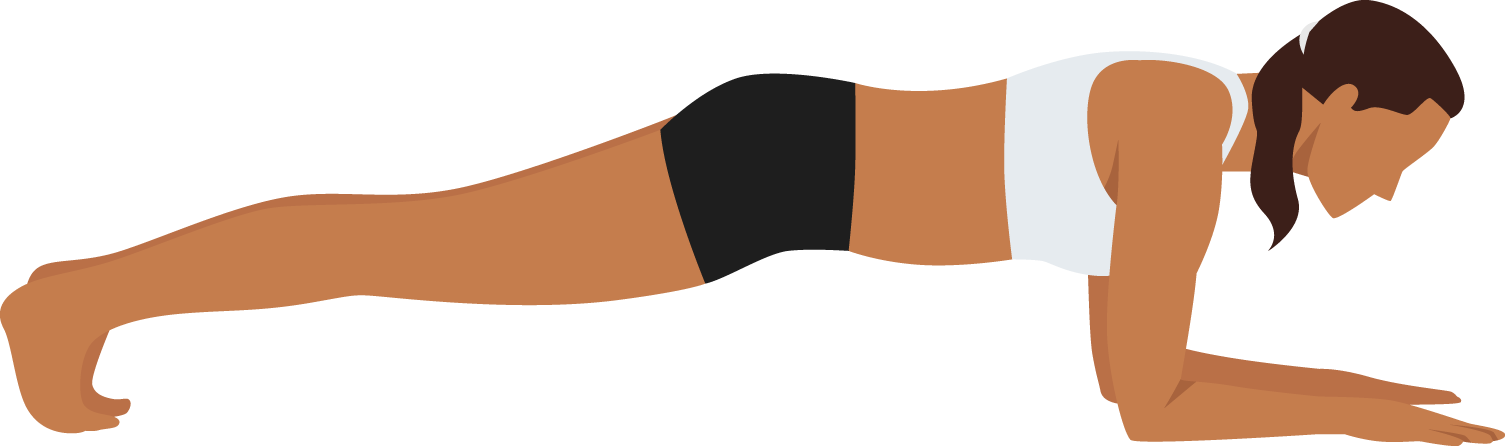
For the Win: Try side planks with resistance in your arms. Support your weight on one foot and forearm. Hold a resistance band in both hands, and extend your free arm toward the sky or ceiling. Repeat 10 times on each side.
Exercise 8
HEEL RAISES
Step 1. Stand with your feet shoulder-width apart.
Step 2. Slowly lift your heels off the ground, rising up onto the balls of your feet.
Step 3. Pause as you get to your tip-toe position, then lower your heels slowly back down to the ground.
Step 4. Repeat 20 times.
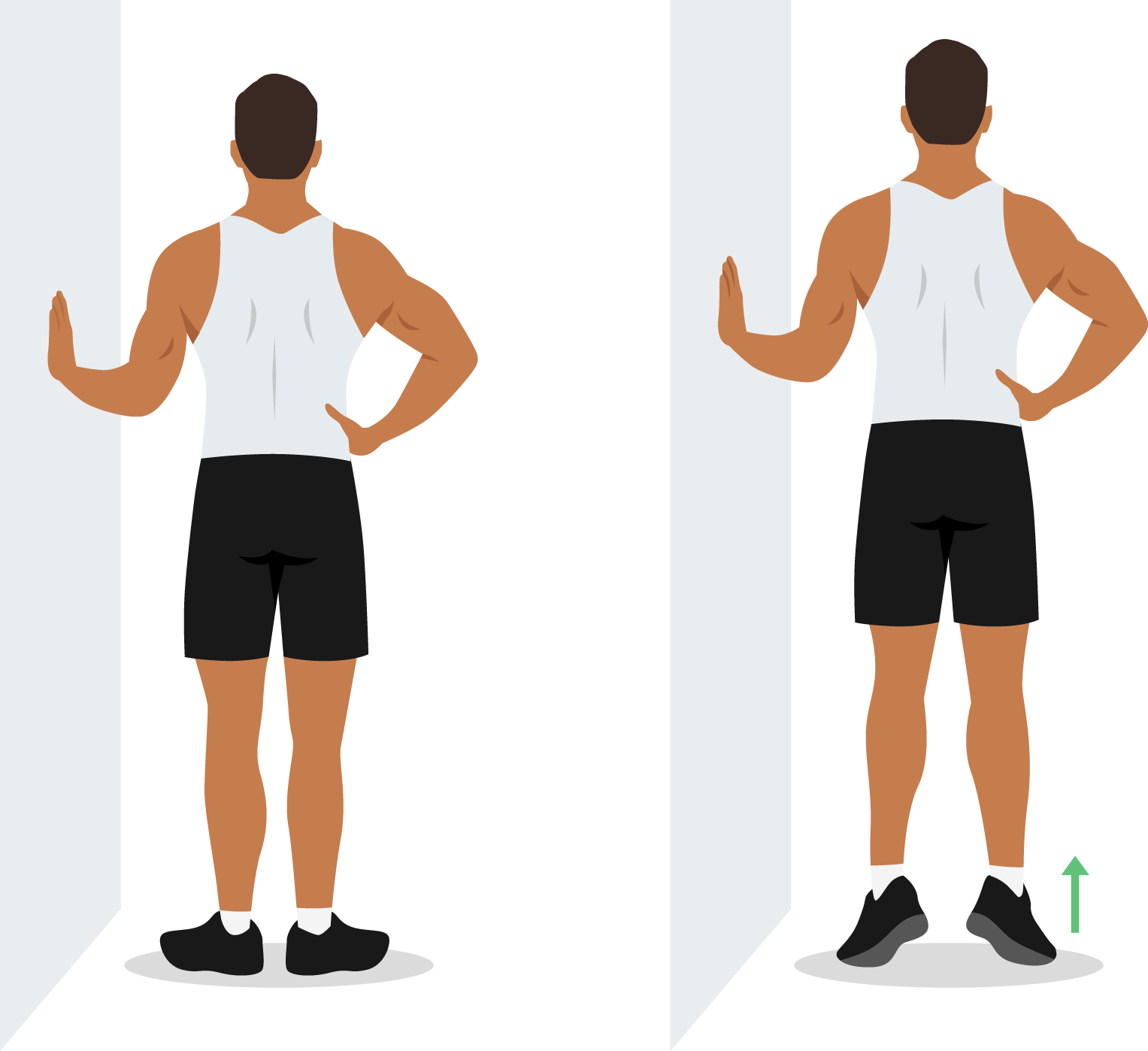
For the Win: Try single-leg heel raises. Instead of using both feet, lift one foot off the ground while putting your weight on the other foot and lifting that heel up. Repeat 20 times on each side.
Exercise 9
SQUATS
Step 1. Stand with your feet shoulder-width apart.
Step 2. Lower your hips down and back as if you are sitting down in a chair.
Step 3. Keep your weight on your heels.
Step 4. Return to a standing position.
Step 5. Repeat 10 times.
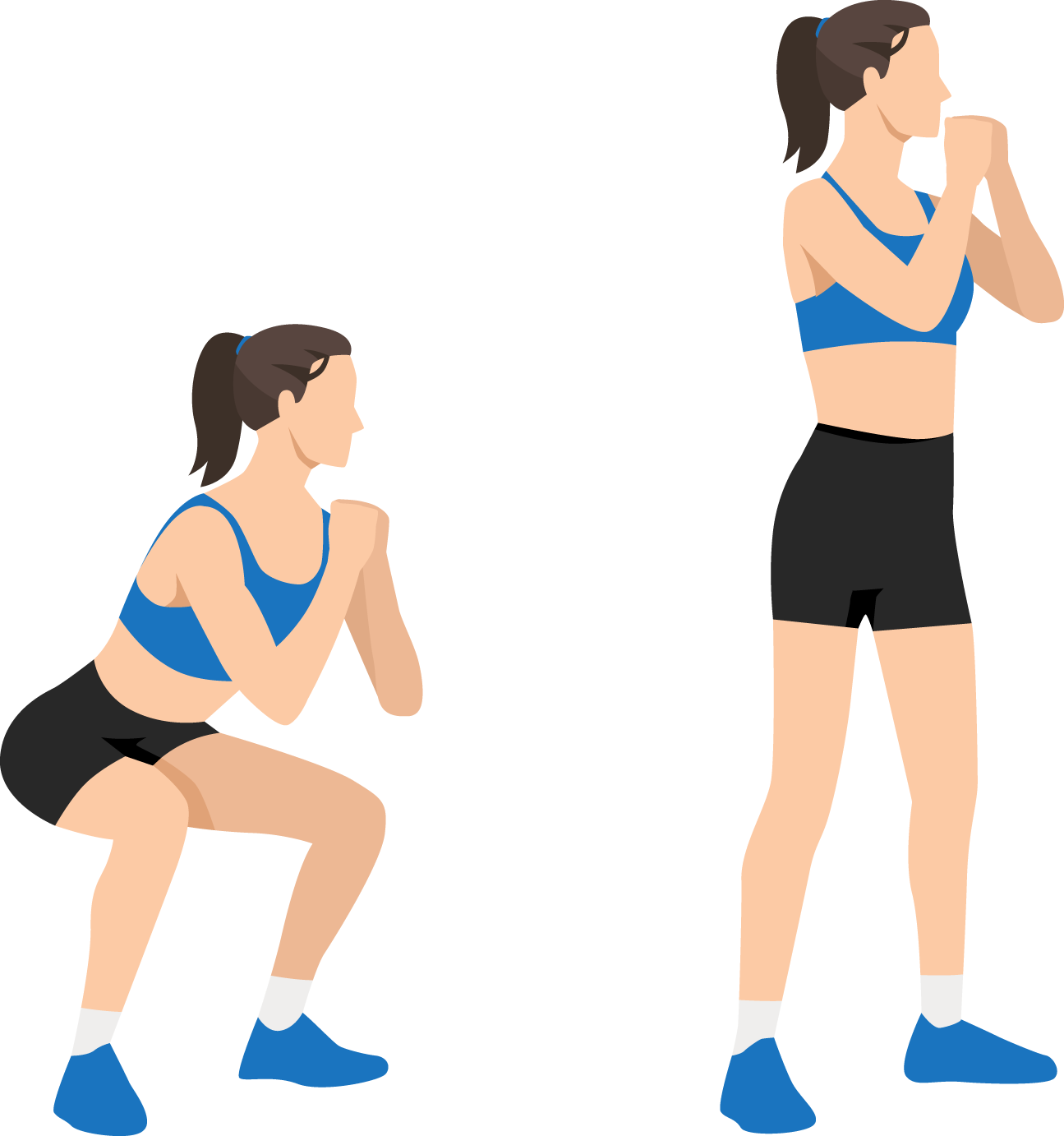
For the Win: Try single-leg squats. Instead of two feet down as you squat, lift one foot off the ground and extend it in front of you as you lower your hips and return to a standing position. Repeat 10 times on each side.
Exercise 10
LUNGES
Step 1. Stand with feet hip-width apart.
Step 2. Take a big step forward with one foot.
Step 3. Lower your hips down until your front knee is bent at a 90-degree angle.
Step 4. Keep your weight on your front heel.
Step 5. Push off your front foot to return to a standing position.
Step 6. Repeat 10 times on each side.
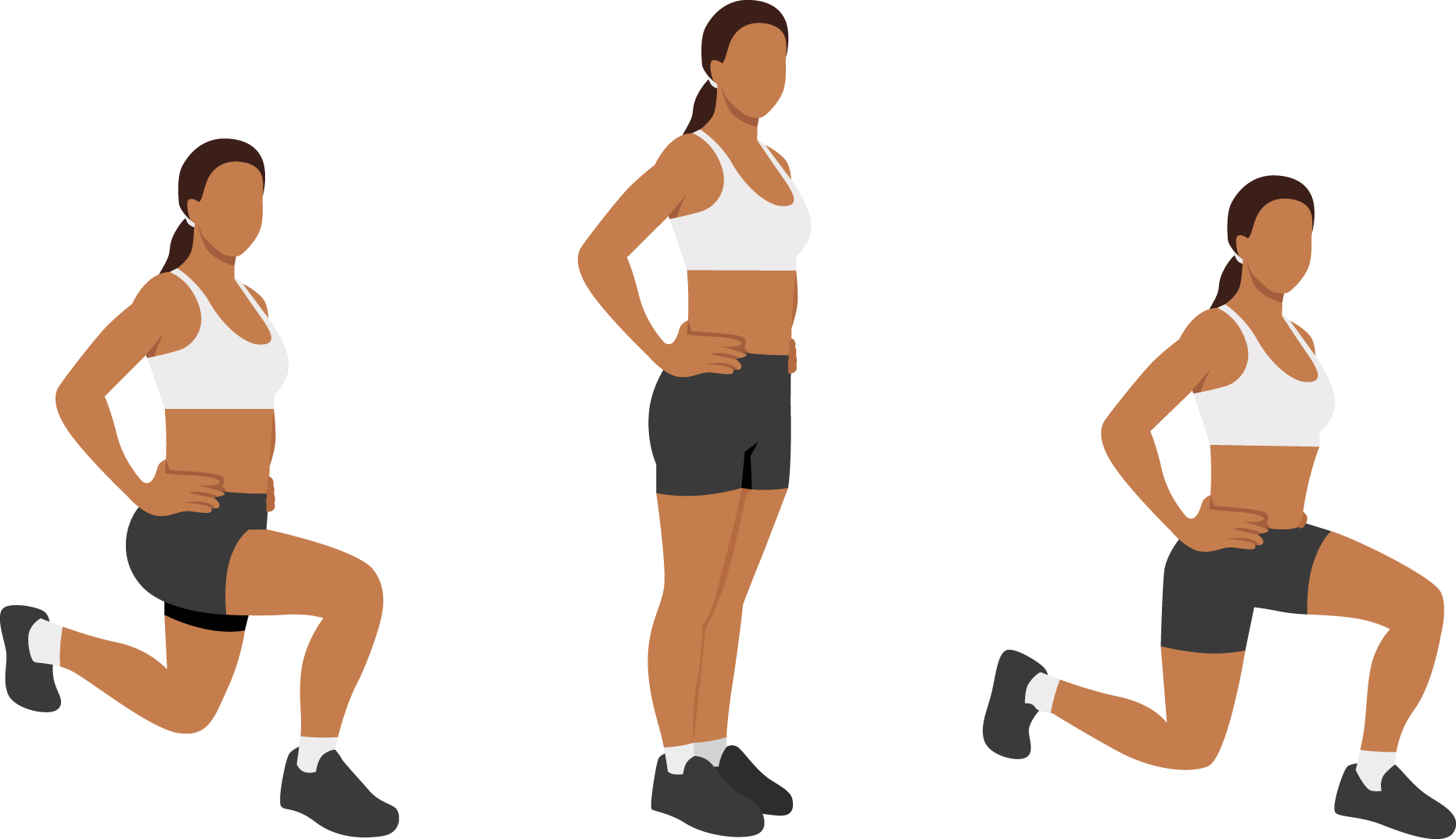
For the Win: Do backward and side lunges. For backward lunges, take a big step backward, lower, and push off your back foot to return to standing. For side lunges, take a step out to the side, lower yourself on that side, and push back up from that foot to return to standing.
When to Be Seen
Pain should never be ignored during or after pickleball play. Continuing to compete while injured can worsen symptoms and extend recovery time. Prompt evaluation by a doctor experienced in sports injuries is recommended if you experience:
- A fall followed by a popping sensation or sudden pain in the shoulder, arm, wrist, hip, knee, or back
- Difficulty bearing weight on the foot, ankle, knee, or leg
- Persistent muscle or joint pain that does not improve with rest or icing
- Hand, wrist, or forearm pain when gripping the paddle
- Shoulder, neck, or back discomfort during swings
- Ongoing, localized pain that is tender, swollen, or warm to the touch
We treat many different injuries experienced by pickleball players, including:
- Back strains and muscle injuries
- Elbow overuse conditions, including tennis, golfer’s, and pickleball elbow
- Fractures
- Hamstring strains
- Herniated discs
- Knee cartilage and ligament injuries
- Plantar fasciitis
- Rotator cuff tears and shoulder injuries
- Tendon injuries
- Wrist and ankle sprains

Who to See
Paul T. Geibel, MD

Who to See
Gerald Q. Greenfield, Jr., MD

Who to See
David M. Hirsch, DO

Who to See
Joel W. Jenné, MD

Who to See
Charles Stuart Pipkin, III, MD

Who to See
David A. Roberts, MD

Who to See
James W. Simmons, III, DO, PhD
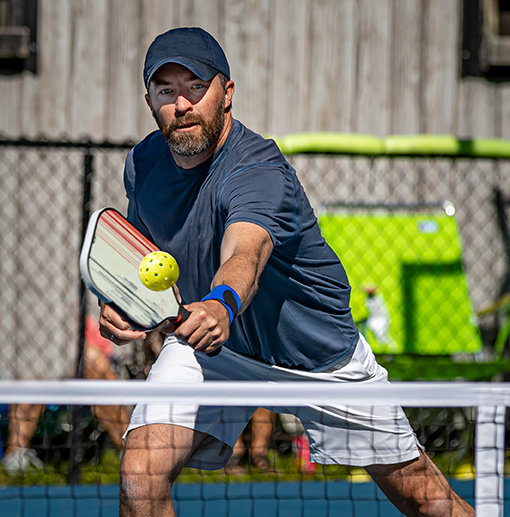
Complete Sports Injury Care for Pickleball Players
Treatment should support both recovery and long-term performance. Our doctors at South Texas Spinal Clinic are skilled in treating pickleball-related injuries, and they develop individualized care plans based on your diagnosis, activity level, and goals. Whenever possible, care begins with conservative and nonsurgical options such as physical therapy, bracing, and injection treatments.
If surgery is necessary, our surgeons use advanced and minimally invasive techniques to support safer procedures and faster recovery. From diagnosis through rehabilitation, our team is committed to helping you return to the pickleball court with confidence.